Plastic Trays
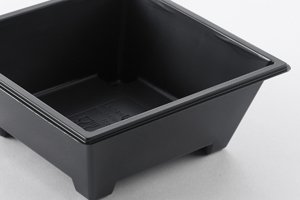
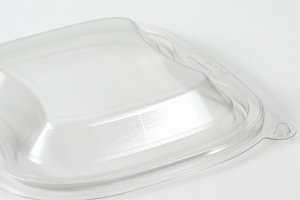
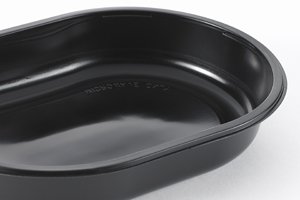
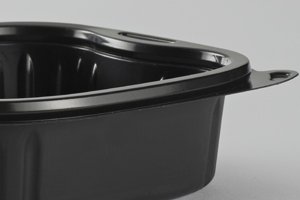
At PMS Hellas you will find trays for food packaging made of plastic of various types. Plastic trays such as rPET, dPET, cPET, PP etc., each ideal for different temperatures, cold meals, microwave reheating, etc.
Recyclable materials contribute to a circular economy. We focus on pure mono-materials, as they are easier to recycle. We also avoid biodegradable materials, as they are not recyclable.
In 2021, 85% of our plastics portfolio will be recyclable. By 2030 we aim to be 100%.
Choose from a huge range of plastic containers and find the one that will meet your needs, always with respect for the environment.
Additionally, , you can combine the PlusPack’s Plastic Trays with the Automatic Traysealer TRAVE and fillers of G.Mondini. You can also combine them with control and weighing systems.
PMS HELLAS has long experience in the field of food industry equipment. As a result it can offer packaging and processing machines as well as packaging consumables. In addition it offers personalized solutions for all production units, small – medium – large capacity.
PMS HELLAS offers comprehensive technical support (training-spare parts-maintenance) as it knows very well what industrial production means. It has a technical department staffed by specialized technicians who offer their services all days of the week.
We will be happy to respond to your request. Together we will design the best solution that will be tailored to your needs.
For more information you can visit to the site of PlusPack.


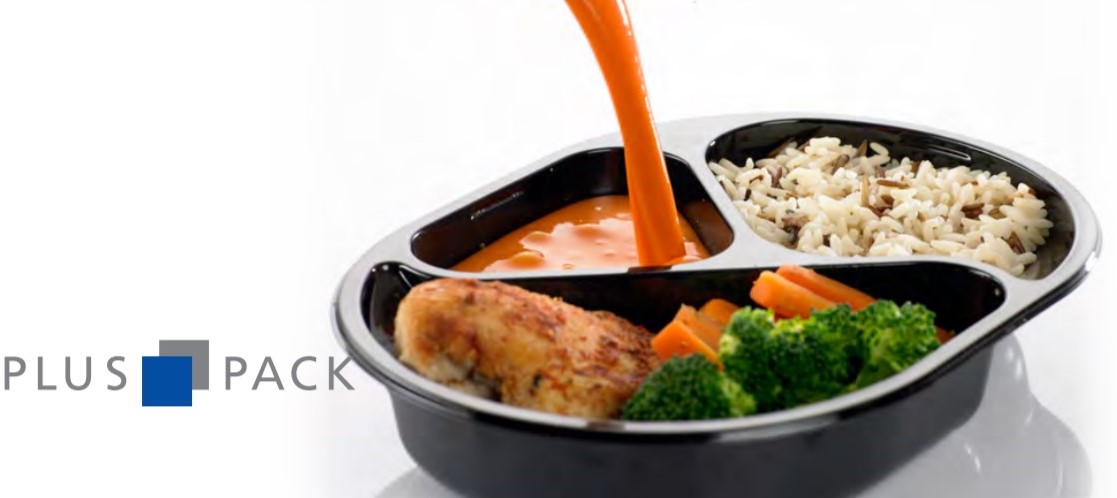
CPET provides opaque packaging solutions and offers excellent stability at high temperatures and excellent impact resistance at low temperatures. CPET is suitable for use in temperatures from -40 ° C to + 220 ° C. The key features combined with the extremely effective barrier properties against water, carbon dioxide, oxygen and nitrogen make it a clear solution for ready meals intended for final preparation either in a microwave oven or in conventional ovens. As a waste after consumption, CPET is also valuable. It can be recycled into new raw material for non-nutritional purposes and incinerated by energy recovery.
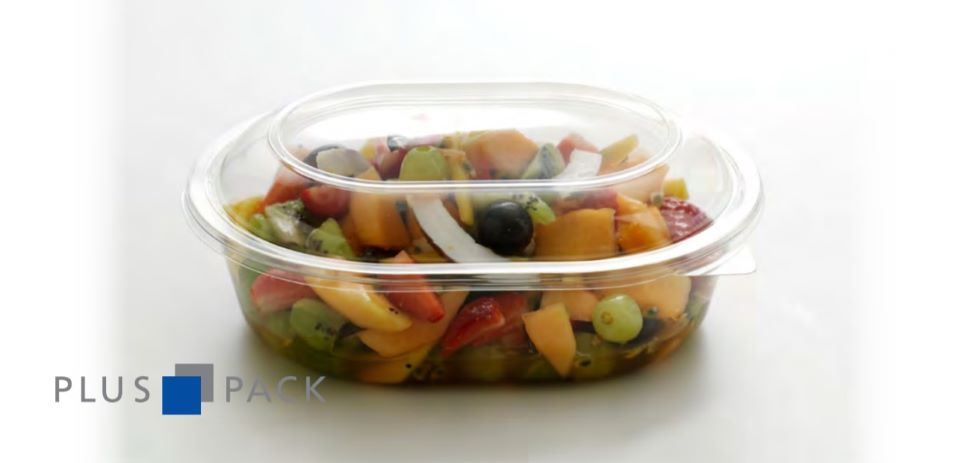
DPET, which can be used at temperatures from -40 ° C to + 70 ° C, is a very hard plastic material with high impact resistance. The key features combined with the highly effective barrier properties against water, carbon dioxide, oxygen and nitrogen make it a clear winner for food packaging when appearance is a priority, e.g. Fresh salads As a waste after consumption, DPET is also valuable. It can be recycled into new raw material for non-nutritional purposes and incinerated by energy recovery.
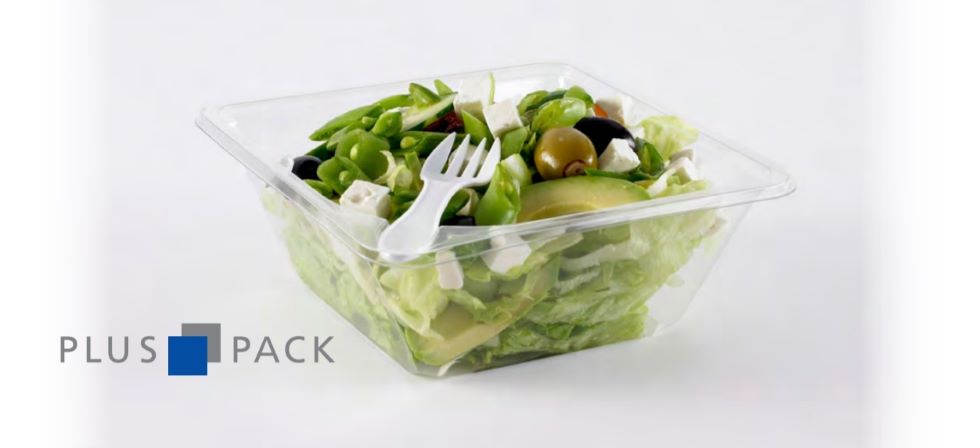
RPET, which can be used at temperatures from -40 ° C to + 70 ° C, is a very hard plastic material with high impact resistance. The highly effective barrier properties against water, carbon dioxide, oxygen and nitrogen in combination with key features such as the quality clarity of the glass make it a clear winner for food packaging when appearance is a priority, e.g. for the display of fresh salads. RPET is at the top an environmentally very good solution. As a waste after consumption, rPET is also valuable. It can be recycled many times and incinerated with energy recovery.
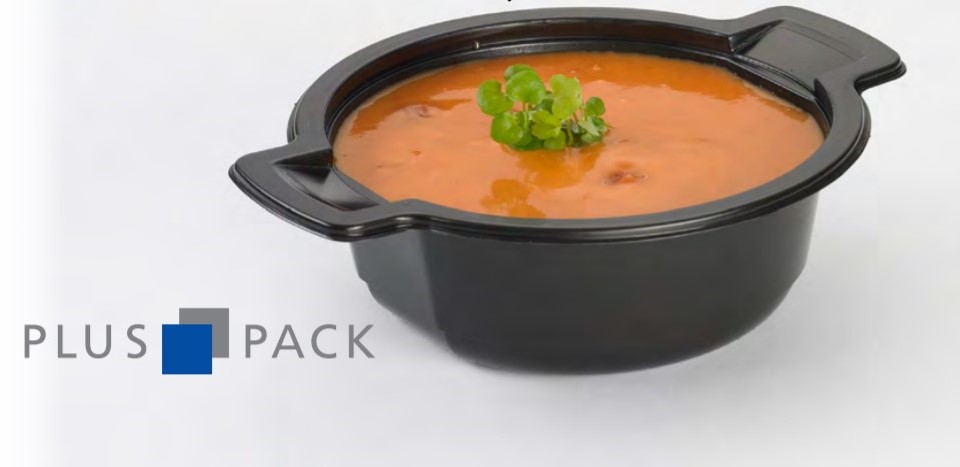
Polypropylene block (CoPP) consists of chains of polymerized propylene units with copolymerized polyethylene (PE) in the chains. CoPP is less transparent than HoPP and may appear slightly milky. CoPP is softer and harder than HoPP, and therefore has greater impact resistance and withstands lower temperatures. CoPP can be used at temperatures ranging from -40 ° C to + 130 ° C and is therefore particularly suitable for hot filling and reheating in a microwave oven. CoPP, like other PP varieties, is an extremely effective water vapor barrier. PP is also valuable as a waste after consumption. It can be recycled into new raw material for non-nutritional purposes and incinerated by energy recovery.